
Implantology
Surgical Guides
For Dental Implants
Pre-surgical planning and guidance reduces the risk of error and denture-realignment when using fully-guided surgery solutions for implant installation. Oceanic Dental Laboratory produces surgical guides that can be used alongside the majority of implant systems.
Related Products & Services
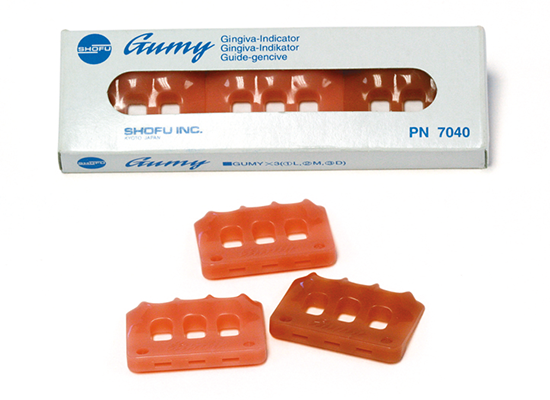
Gum colored shade tracking aid in light, medium and dark.
PN 7040 • Vintage Halo Gumy Tri-Color Set
Price: $100 (Aud)
View Product
Guided Surgery for Implant Installation
A surgical guide is used in dental implant procedures to ensure precise, safe, and predictable placement of implants. It is custom-made using 3D scans and digital planning software, allowing the dentist to position the implant at the exact angle and depth for optimal support and aesthetics. This advanced approach reduces surgical risks, shortens procedure time, minimizes discomfort, and helps achieve natural-looking, long-lasting results.
A surgical guide for implant placement is a custom-made template that helps dentists position dental implants with high accuracy and precision. Created using 3D scans and digital planning software, it fits securely over your teeth or gums to direct the exact location, angle, and depth of the implant during surgery. This ensures a safer, faster procedure with predictable, natural-looking results.
Computer-guided implant surgery uses advanced digital technology to plan and place dental implants with exceptional precision. The process begins with a 3D scan of your mouth, allowing the dentist to visualize your bone structure, nerves, and surrounding tissues. Using specialized software, the ideal implant position, angle, and depth are virtually planned in advance. A custom surgical guide is then created based on this plan, guiding the dentist during the actual procedure. This ensures accurate placement, minimal discomfort, shorter surgery time, and faster healing — all while delivering highly predictable, long-lasting results.
Computer-guided implant surgery uses advanced digital technology to plan and place dental implants with exceptional precision. The process begins with a 3D scan of your mouth, allowing the dentist to visualize your bone structure, nerves, and surrounding tissues. Using specialized software, the ideal implant position, angle, and depth are virtually planned in advance. A custom surgical guide is then created based on this plan, guiding the dentist during the actual procedure. This ensures accurate placement, minimal discomfort, shorter surgery time, and faster healing — all while delivering highly predictable, long-lasting results.
Accuracy in implant placement is crucial for the long-term success, function, and appearance of dental implants. By using digital planning and surgical guides, dentists can position implants at the exact angle, depth, and location needed for optimal support and alignment. This precision helps protect surrounding structures such as nerves and sinuses, ensures better integration with the jawbone, and provides a natural-looking, comfortable result. In short, advanced planning and guided placement lead to safer procedures and more reliable outcomes for every patient.
Tailored for the individual’s bone health and thickness, guided implant planning ensures that every implant is placed in the most stable and supportive area of the jaw. Using detailed 3D scans, the dentist can assess bone density and thickness before surgery, allowing for a personalized approach that maximizes strength, safety, and long-term success. This customization helps achieve the best possible fit and stability while minimizing complications and promoting faster healing.
FAQ’s
A surgical guide is not always required for a dental implant, but it is highly recommended for achieving the best possible accuracy and safety. While skilled dentists can place implants freehand, a surgical guide—created using digital scans and planning software—ensures the implant is positioned at the exact angle, depth, and location for optimal function and appearance. It reduces the risk of errors, shortens surgery time, and enhances long-term success, making it the preferred choice for most modern implant procedures.
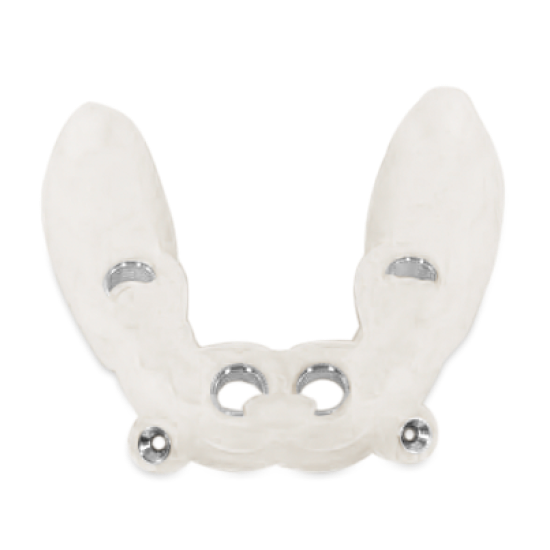
A surgical guide consists of several key components designed to ensure accurate and safe implant placement:
Guide Body – The main structure, custom-made from acrylic or resin, that fits snugly over the patient’s teeth, gums, or jawbone.
Metal Sleeves or Drill Guides – Small metal or plastic cylinders embedded in the guide that direct the dental drill to the exact position, angle, and depth planned digitally.
Positioning Supports – Extensions or rests that help the guide stay stable and secure during surgery.
Fixation Pins (optional) – Used in some cases to hold the guide firmly in place, especially in fully edentulous (toothless) areas.
Together, these components ensure precise, safe, and efficient implant placement, improving surgical outcomes and patient comfort.
Surgical guides offer several important advantages in dental implant procedures:
High Precision – They ensure implants are placed at the exact angle, position, and depth for ideal function and aesthetics.
Safety – By following a preplanned digital path, surgical guides reduce the risk of damaging nerves, sinuses, or adjacent teeth.
Shorter Surgery Time – The procedure is faster and smoother since the implant position is pre-determined.
Minimized Discomfort – Less invasive techniques mean reduced tissue trauma, faster healing, and minimal post-surgery pain.
Predictable Results – Digital planning provides consistent, reliable outcomes with improved implant longevity and natural appearance.
Enhanced Patient Confidence – Patients benefit from greater accuracy and know their treatment is guided by advanced technology.
In short, surgical guides make implant placement safer, faster, and more precise, leading to better long-term success.
A radiographic guide is a diagnostic tool used in dental implant planning to help visualize the ideal position of implants before surgery. It is a clear, custom-made template that fits over the patient’s teeth or gums and is worn during a CBCT (3D X-ray) scan. The guide often contains radiopaque markers—materials visible on X-rays—that show exactly where the planned implants will go.
This allows the dentist to assess bone quality, implant alignment, and spacing accurately before creating the final surgical guide. In short, a radiographic guide helps transform digital treatment planning into a precise, safe, and predictable implant placement process.
A completely limiting surgical guide (also called a fully guided surgical guide) is a type of dental implant guide that controls every step of the implant placement process. It not only shows the planned implant position but also dictates the exact angle, depth, and location of the drill and implant during surgery.
Because it fully limits the movement of surgical instruments, it ensures maximum precision and safety, reducing the risk of errors and protecting surrounding teeth, nerves, and bone. This type of guide is especially useful in complex cases or when working in areas with limited bone or tight spacing.
A surgical guide is important because it ensures precise and safe placement of dental implants. It helps the dentist follow the exact position, angle, and depth planned during the digital treatment process, reducing risks of errors, protecting nerves and bone, and improving the overall success and longevity of the implant. It also saves time during surgery and can make the procedure more predictable and comfortable for the patient.
A completely limiting surgical guide is a type of dental implant guide that fully controls the drill’s position, angulation, and depth during surgery. It fits precisely over the patient’s teeth or gums and has metal or plastic sleeves that guide the surgical drills. This ensures the implant is placed exactly according to the digital treatment plan, minimizing errors and providing maximum accuracy and safety.
A surgical guide for dentures is a custom-made template used during dental implant surgery to help place implants in the optimal positions for supporting a denture. It ensures that implants are correctly aligned with the patient’s jawbone and planned denture design, improving fit, stability, and function of the final denture while reducing surgical errors.